
Slow travel has become 90% of tourists' preferred approach to experience destinations more thoughtfully and responsibly. Travelers now move away from the frantic "see-everything" mindset that leaves them exhausted instead of refreshed.
Slow travel, also called sustainable travel or immersive travel, embraces a relaxed pace in movement and experience. This tourism style encourages deeper connections with destinations rather than rushing through packed itineraries[-4]. Slow travel's benefits reach beyond enhanced experiences and tie directly to mindfulness, well-being, and present-moment appreciation.
This piece explores how reduced movement and slower pacing create authentic adventures that leave travelers grounded and insightful. You might find this approach perfect if you've ever needed a vacation after your vacation.
What is Slow Travel and Why It Matters

Image Source: World Scenic Travels
Slow travel means much more than just taking longer vacations. This mindful way of exploring shows a radical change in how we connect with destinations, people, and ourselves while traveling. Let's look at its roots, special features, and the ideas that make it so important in today's ever-changing world.
Origins of the slow travel movement
The slow travel movement started in Italy during the 1980s from a related cultural revolution. In 1986, journalist Carlo Petrini protested against a McDonald's opening near the Spanish Steps in Rome. Protesters handed out bowls of penne pasta and chanted, "We don't want fast food. We want slow food!" This moment gave birth to the Slow Food movement, which focused on keeping traditional cuisine and environmentally responsible farming practices alive.
The idea of "slowness" naturally spread to other parts of life. The Cittaslow (Slow City) movement emerged in the late 1990s and helped develop slow tourism. It provided certified alternative destinations that promoted a slower pace of life. The broader Slow Movement grew stronger with Carl Honore's 2004 book "In Praise of Slow," which he called "a cultural revolution against the notion that faster is always better".
How it differs from traditional tourism
Traditional tourism focuses on efficiency and convenience—the "10 cities in 10 days" approach where people rush between attractions and take more photos than experiences. Slow travel values depth over breadth and connection over convenience.
Regular tourists might visit many places quickly, but slow travelers stay longer in fewer locations. Traditional tourists often stick to planned itineraries around famous spots, while slow travelers look for authentic interactions with local communities.
Mass tourism often causes overtourism, environmental damage, and turns culture into a commodity. Venice shows this problem clearly—its 53,000 residents host 30 million visitors each year. This overcrowding creates waste problems, strains resources, and forces locals to leave their homes.
Slow travel reduces these negative effects. Half of slow travelers say they love taking time to enjoy local culture and scenery. They prefer quality experiences over quantity of places visited.
The philosophy behind slow tourism
Slow tourism takes an integrated approach tied directly to the Slow Living philosophy. It breaks stereotypes by encouraging travelers to connect with host communities and their traditions. They get to know local culture, food, and surroundings.
The basic principles of slow tourism include:
Mindful connection with places and people
Support for local economies and businesses
Love for authentic over commercial experiences
Flexible plans that allow natural discovery
Italy's Slow Tourism Association explains it well: "Slow tourism invites travelers to travel at a reduced pace; one that is sustainable and responsible, and to discover new destinations while respecting them. It invites tourists to get to know places, to live and 'taste' them while at the same time promoting their protection as patrimonies of inestimable worth".
Slow travel suggests different ways to get around. Trains or busses are better than planes, and walking or cycling at your destination has "zero impact". This helps the environment and turns the trip itself into a chance to relax and learn.
Slow travel goes beyond your destination—it's about how you connect with a place, its people, and yourself. You can find your natural rhythm and balance between exploring and immersing, adventuring and reflecting.
The Benefits of Slow Travel

Image Source: Storylines
Slow travel has real benefits that boost your travel experiences and your personal wellbeing while helping the environment. This approach can turn regular trips into deep, meaningful ways to find new places and connect with people.
Deeper cultural immersion
Staying in one place longer lets you naturally connect with the local culture. Regular tourism often creates gaps between visitors and locals, but slow travel breaks these barriers down. Long stays give you the chance to learn local languages, take part in regional traditions, and build real friendships with people who live there.
Most slow travelers say talking with locals becomes the best part of their trips. These chats go way beyond basic tourist talk—they show you what daily life is really like. You might end up making pasta with an Italian grandmother or learning how to make kimchi from a Korean chef. These personal bonds create a feeling of belonging that quick tourism just can't match.
Reduced environmental impact
Slow travel cuts down your carbon footprint by a lot. Taking trains instead of planes can decrease emissions by approximately 80% per person for similar trips. More than that, hotels use less water to wash towels, linens, and clean rooms when guests stay longer.
Getting to know fewer places better means less pollution from moving around. Busses and trains can cut emissions by up to 90% for each mile compared to flying. On top of that, people who stay longer in one place can decrease their transportation-related carbon emissions by roughly 70%.
Improved mental wellbeing
Regular vacations often leave you more tired than before you left. But slow travel helps your mind recover as you take time to notice your surroundings. The Journal of Sustainable Tourism found that people who spent more time in fewer places felt much better mentally and less stressed than those who rushed through packed schedules.
Slow travel kicks in your body's natural relaxation response—the "rest-and-digest" mode that fights stress and burnout. Moving at your own pace creates room for joy and creativity while giving your mind a break from constant activity.
More meaningful memories
The sort of thing I love about slow travel is how it creates deeper, lasting memories. Instead of a blur of tourist photos, you collect rich experiences that really stick with you. Half of all slow travelers say they love taking time to enjoy local culture and scenery the most.
The unexpected moments—finding a local festival, spotting a hidden café, or chatting with someone who lives there—often turn into the best memories. These surprise finds usually give you a better taste of local life than any planned tour.
Putting quality over speed, connection over consumption, and relaxation over strict schedules turns normal vacations into amazing trips of discovery. The result? You'll take home memories that last a lifetime.
How Slow Travel Creates Authentic Adventures

Image Source: Worldpackers
Slow travel turns ordinary trips into authentic adventures that create meaningful connections. It changes your relationship with the places you visit and turns you from an observer into someone who participates in local life.
Spending more time in fewer places
People who stay longer in one place start to notice details that rushed travelers miss. The rhythms of daily life become familiar—from morning markets to evening strolls. You develop a sense of belonging instead of just passing through. A study shows almost 90% of Americans choose to stay in one spot for their whole trip. This reflects our natural desire to connect deeply with places.
You start to notice subtle changes when you stay longer. The shoreline changes throughout the day. You recognize the same birds returning to their fishing spots. Local fishermen's boats come and go at predictable times. These small details create a rich understanding that rushed trips between destinations can't match.
Engaging with local communities
Meeting locals stands out as the biggest draw for slow travelers, with 43.1% of people saying it's their main reason for choosing this style. The "tea stall philosophy" captures this idea perfectly. You pick one simple, everyday place where locals go, become a regular there, and let relationships grow naturally.
Something special happens when you become a "regular" at local spots. Shop at the same corner market a few days in a row or visit the same café often. People start to recognize you. The barriers between tourist and local begin to fade. The best travel experiences happen when you stop feeling like a visitor and start feeling like a temporary local.
Participating in traditional activities
Authentic experiences come alive when you take part in local traditions:
Taking cooking classes to learn traditional dishes
Joining craft workshops with skilled local artisans
Attending community festivals or celebrations
Engaging in agricultural activities like harvests
These hands-on activities create deeper memories than just watching from the sidelines. Learning to make ceviche from a Peruvian chef or weaving with indigenous artisans promotes real cultural connections.
Discovering hidden gems off the beaten path
Slow travel helps you find places most tourists never see. A third of slow travelers enjoy visiting less crowded or prominent sites. An impressive 90.6% prefer quieter destinations.
You might find yourself learning about the town of Pilsen in the Czech Republic, home to the original Pilsner brewery from 1842. Or you could visit Ohrid in North Macedonia, known as the "Jerusalem of the Balkans" for its religious significance.
The best memories often come from unexpected finds—a hidden café with delicious pastries, a neighborhood market full of fresh produce, or a small park where locals gather.
Practical Ways to Embrace Slow Travel
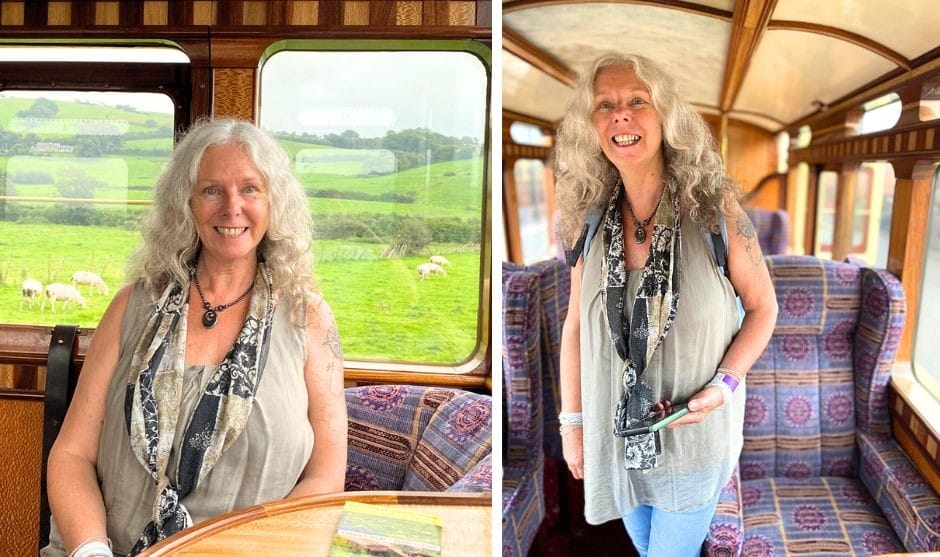
Image Source: The Backpacking Housewife
Practicing slow travel philosophy is easier than you might think. A few mindful choices can turn regular trips into deep, memorable adventures.
Choose slower transportation methods
Trains cut your carbon footprint by about 80% compared to planes. Walking and cycling produce zero emissions and help you connect with your surroundings. Public transport shows you cultural aspects that you'll miss in rental cars. European sleeper trains link cities like Paris to Budapest and let you enjoy scenic countryside views comfortably. Sailing stands out as a unique way to cross oceans, using wind as its main power source.
Stay in locally owned accommodations
Local bed-and-breakfasts, guesthouses, and homestays boost the local economy and give you authentic experiences. Research shows nearly 60% of travelers change their plans after talking to locals or getting their suggestions. You can find independent properties through platforms like Gites-de-France, Logis Hotels, and ToursByLocals. These places often serve home-cooked meals with personal attention that big hotel chains can't match.
Plan flexible, open-ended itineraries
Build a natural rhythm instead of strict schedules by mixing active and relaxed days. The "1-3 rule" makes this simple: pick 1-3 must-see spots and keep the rest flexible. Schedule important activities early and leave later days open for unexpected discoveries. This lets you spend more time in places you enjoy or join spontaneous local activities.
Use local guides and experiences
Local guides act like knowledgeable friends who show you authentic parts of destinations. They explain cultural customs, help with language barriers, and introduce traditional activities. You'll visit family restaurants, local markets, and community events beyond tourist spots. Small group activities like cooking classes, craft workshops, or farm visits create stronger cultural bonds than standard tours.
Common Myths About Slow Travel

Image Source: Red Rock Fertility Center
Many people hold back from welcoming slow travel because of common myths. Let's clear up these misconceptions.
Myth: It's only for long vacations
The name might fool you, but slow travel isn't about how long you stay - it's a mindset. People often think you need endless free time, like a retiree's schedule. The truth? Even a long weekend lets you embrace this philosophy. You could spend three days learning about one town rather than rushing through five. This style works perfectly whether you're a student with a backpack, a digital nomad at work, or a family taking time off.
Myth: It's more expensive
Slow travel actually costs less than typical tourism. Eco-lodges might sound expensive, but green travel spots fit every budget. Extended stays can cut nightly rates by 30-50%, and visiting during shoulder season saves 70% or more compared to peak prices. The savings pile up fast when you cook some meals at home and use local transport.
Myth: It's boring or uneventful
Some people link excitement to checking off landmarks, making slow travel seem dull - but reality tells a different story. Taking your time helps you find authentic moments. You might stumble upon street festivals, join cooking classes with locals, or catch stunning sunset views by wandering off the beaten path. These surprise moments often become the stories you tell forever.
Reality: It's about depth, not distance
Slow travel doesn't mean seeing less - you just experience more. Instead of rushing through multiple cities, you delve deep into one place. Psychology Today puts it perfectly: "Travel isn't about distance, it's about depth".
Conclusion
Slow travel turns ordinary trips into extraordinary experiences filled with meaning and connection. In this piece, we've seen how this thoughtful approach creates space for authentic adventures that conventional tourism simply cannot match. The true purpose of travel becomes clear - not just to see new places, but to experience them deeply and return home transformed.
Benefits go way beyond our personal experiences. Our carbon footprint shrinks dramatically when we choose slower transportation and stay longer in fewer places. Local economies thrive as travelers pick family-run accommodations and neighborhood restaurants. Mental wellbeing improves as we escape the frantic pace of everyday life and tourist schedules.
Note that slow travel doesn't need months of free time or unlimited budgets. Weekend trips can follow this philosophy if you focus on depth rather than distance. Success comes from staying flexible, being open to unexpected finds, and stepping away from the familiar tourist path.
Personal experiences have taught me that cherished travel memories rarely come from famous landmarks or Instagram hotspots. They emerge from chance encounters with locals, hidden café discoveries, or simply watching daily life unfold in a town square. These moments happen when we slow down and truly inhabit a place rather than just passing through.
Your next trip planning deserves a different approach. Pack lighter, plan less, and stay longer. Talk to locals, wander freely, and say yes to unexpected invitations. Your adventures will become richer, memories more vivid, and effect more positive. The essence of travel isn't about checking destinations off a list—it's about collecting experiences that continue to appeal long after returning home.
FAQs
Q1. What are the key advantages of slow travel? Slow travel offers deeper cultural immersion, reduced environmental impact, improved mental wellbeing, and more meaningful memories. By spending more time in fewer places, travelers can engage authentically with local communities, participate in traditional activities, and discover hidden gems off the beaten path.
Q2. How does slow travel differ from traditional tourism? Unlike traditional tourism that often involves rushed itineraries and multiple destinations, slow travel emphasizes quality over quantity. It encourages staying longer in one place, using sustainable transportation, engaging with local communities, and having flexible schedules that allow for spontaneous experiences and deeper connections.
Q3. Is slow travel only suitable for long vacations? No, slow travel is more about mindset than duration. Even a weekend getaway can embrace slow travel principles by focusing on depth of experience rather than covering multiple destinations. It's about immersing yourself in one place, regardless of the length of your trip.
Q4. Does slow travel have to be expensive? Contrary to popular belief, slow travel can often be more cost-effective than traditional tourism. Extended stays can lead to accommodation discounts, and cooking some meals yourself or using public transportation can significantly reduce expenses. Slow travel allows for a more budget-friendly approach while providing richer experiences.
Q5. How can I incorporate slow travel principles into my next trip? To embrace slow travel, consider choosing slower transportation methods like trains or busses, staying in locally owned accommodations, planning flexible itineraries with room for spontaneity, and engaging with local guides and experiences. Focus on immersing yourself in the local culture and daily life of your destination rather than rushing to tick off tourist attractions.
Add comment
Comments