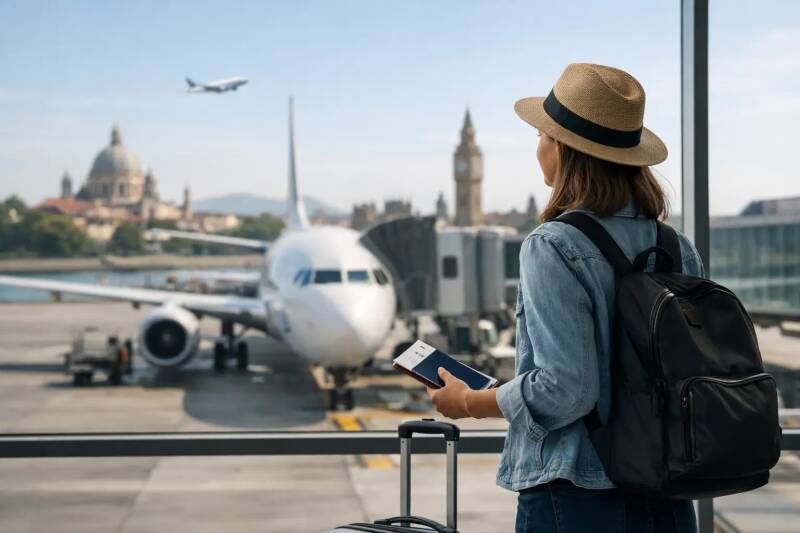
A first international trip guide for new travelers with smart planning, packing, budgeting, and confidence tips to avoid common mistakes abroad. The first time you stand in an airport holding a passport that suddenly feels far more serious than it did at home, travel stops being an idea and becomes a real, slightly thrilling commitment. That moment is exactly why a good first international trip guide matters. Your first trip abroad is not just about getting from one country to another - it is about managing nerves, avoiding expensive mistakes, and giving yourself enough structure to actually enjoy what you came for.
I have always thought first trips overseas are less about doing everything right and more about doing the right few things well. You do not need a color-coded binder, ten backup plans, and a suitcase full of "just in case" items. You need a passport that works, a realistic budget, a place to sleep, a way to get from the airport, and enough breathing room to stay curious when something goes off script.
How to use this first international trip guide
If you are feeling equal parts excited and overwhelmed, that is normal. Most first-time travelers are not scared of the actual plane ride. They are worried about missing a document, getting stuck without phone service, or realizing too late that they packed for a fantasy version of the trip instead of the one they are actually taking.
So think of this guide as a filter. It helps you focus on what matters first, what can wait, and what beginners often overcomplicate.
Start with the trip that matches your confidence level
A lot of first-timer stress starts with choosing the wrong first destination. Not bad, just wrong for where you are right now. If you want your first trip abroad to build confidence, choose a place with a straightforward transit system, decent tourist infrastructure, and a pace that suits you.
That does not mean you have to choose the most obvious city on earth. It means being honest about your comfort level. A solo traveler who loves structure may thrive in Copenhagen or Tokyo with some preparation. Someone who wants a slower, more social first experience may find Lisbon, Mexico City, or a small Italian city easier to settle into. The best first destination is not the one that looks most impressive on social media. It is the one that gives you room to learn.
Budget matters here too. Flights, exchange rates, local transport, and food costs can shape the whole emotional tone of a trip. If every decision feels expensive, you will feel pressure instead of freedom. For a first trip, affordable often equals calmer.
Get your documents sorted earlier than you think
This is the least glamorous part of travel and the one that can derail everything fastest. Check your passport expiration date now, not the week before departure. Many countries require six months of validity beyond your travel dates, and some airlines are strict about it.
Then check whether you need a visa, proof of onward travel, vaccination records, or entry forms. Rules change, and they vary by passport and destination. Save digital copies of your passport, itinerary, travel insurance, and key reservations in a cloud folder you can access from your phone. I also like keeping screenshots offline because airport Wi-Fi has a talent for failing at the exact wrong moment.
Travel insurance is one of those purchases people resent until they need it. For a first trip, it is worth having. Lost bags, canceled flights, or medical issues feel much bigger when you are in an unfamiliar country.
Book the first nights to reduce arrival stress
There is freedom in spontaneous travel, but your first international trip is not the best time to improvise every detail. Book your first few nights in advance, especially if you are arriving late, crossing time zones, or landing in a busy city.
What you want after a long-haul flight is not an adventure. You want a bed you can find without drama. Choose accommodations with clear check-in instructions and recent reviews that mention safety, cleanliness, and location. If you are arriving after dark, paying a little more to stay somewhere central can be worth it.
It also helps to plan your airport arrival before you leave home. Know whether you are taking a train, bus, taxi, or airport transfer. Save the address of your stay in the local language if relevant. Tiny bits of prep can remove a lot of first-day panic.
Build a budget that works in real life
Most beginner budgets fail because they only include flights and lodging. The real trip happens in the middle. Airport snacks, transit cards, museum tickets, laundry, SIM cards, city taxes, and the occasional "I am too tired to find the cheap option" dinner all add up.
A better approach is to separate your budget into fixed costs and daily costs. Fixed costs are your flight, accommodations, insurance, major transport, and any pre-booked activities. Daily costs cover food, local transit, small admissions, coffee stops, and extra spending. Give yourself a cushion. A tight budget with no margin turns normal surprises into stress.
If you are worried about money, one of the smartest things you can do is travel more simply. Stay longer in one place instead of rushing between cities. Eat one special meal a day instead of three. Use public transit where it makes sense. Meaningful travel is rarely the same thing as constant spending.
Pack for movement, not for possibilities
Nothing exposes overpacking like stairs, cobblestones, and a train platform with no elevator. Your first trip will be better if your bag is light enough to carry without resentment. That usually means fewer outfits, fewer shoes, and fewer backups than you think.
Bring clothes you can repeat and layer. Comfortable walking shoes matter more than almost anything else in your suitcase. Keep medications, documents, chargers, one change of clothes, and basics in your carry-on if possible. If your checked bag goes wandering, you will still be functional.
This is one area where PackLight Journeys has a philosophy I trust deeply: packing light is not just about convenience. It creates flexibility. You move more easily, make quicker decisions, and spend less energy managing stuff.
Set up your phone and money before you leave
The most common first-trip mistake is assuming you will figure out connectivity and payments on arrival. Sometimes you will. Sometimes you will be standing in an airport unable to call a ride, read a map, or tell your bank why your card just got flagged.
Check your phone plan before departure and decide whether you will use an international plan, local SIM, or eSIM. Download offline maps for your destination. Save your accommodation details, important reservation numbers, and translation tools in advance.
For money, bring at least two ways to pay, ideally a mix of cards and some local cash. Tell your bank you are traveling if your provider recommends it. Do not rely on a single debit card. And do not exchange huge amounts of cash at the airport unless you have to. Convenience is high there, rates usually are not.
Leave space for culture, not just logistics
A first international trip guide should not only talk about paperwork and adapters. What stays with you most is rarely the boarding pass. It is the bakery you found because you got off the bus one stop early. The conversation with a shop owner. The way a city sounds before commuters take over the morning.
Read a little about local customs before you go. Learn a few basic phrases, even if English is widely spoken. Understand tipping norms, dining etiquette, and how people tend to interact in public. You do not need perfect language skills to travel well. You need respect, attention, and willingness.
This matters practically too. Cultural awareness helps you avoid awkward moments, but it also changes the quality of your experience. You stop treating a place like a backdrop and start meeting it on its own terms.
Expect a wobble on day one or two
This part does not get talked about enough. Many first-time travelers have a strange dip soon after arrival. You are tired, overstimulated, maybe a little lonely, and suddenly the trip feels less cinematic than it did while booking it.
That wobble is normal. It does not mean you chose the wrong destination or that you are bad at travel. Eat something familiar, take a shower, go for a short walk, and do one simple thing like buying fruit from a market or sitting in a cafe. Confidence abroad usually returns in small increments, not all at once.
Try not to overschedule your first full day. Leave room to get lost a little, rest a little, and adjust. Travel gets better when you stop expecting yourself to perform it perfectly.
What actually makes a first trip feel successful
It is not seeing everything. It is not collecting landmarks faster than everyone else. A successful first international trip is one where you come home more capable than when you left. You know how to read a foreign train board, ask for help, recover from a wrong turn, and trust yourself in a new setting.
That confidence does not arrive before the trip. It arrives because of the trip. So prepare well, keep your plans simple, and let your first time abroad be what it really is: a beginning. If you leave with a little more courage and a few stories that changed you, you did it right.
Add comment
Comments