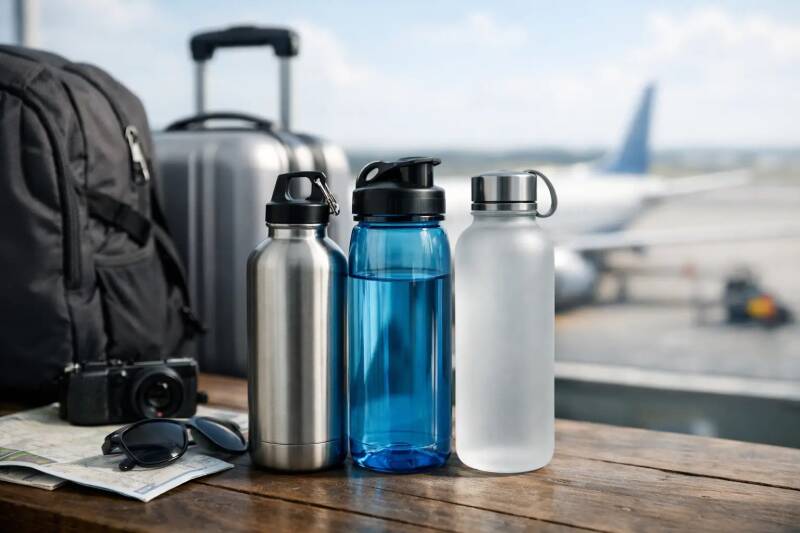
A refillable water bottle review for travelers who want to save space, cut costs, and choose a bottle that actually works on the road. You notice it fast on the road: paying for water over and over is annoying, plastic waste piles up quickly, and the wrong bottle somehow becomes one more thing to wrestle with in a crowded airport line. A good refillable water bottle review matters because this is not just a gear choice. It is a daily travel companion, and if it leaks, feels bulky, or is hard to clean, you will resent it by day two.
I have carried refillable bottles through overnight buses, humid city walks, budget flights with strict baggage limits, and long train rides where buying a drink at the station cost more than lunch. The best ones save money, keep you hydrated, and quietly make travel easier. The worst ones take up half your daypack and never seem to fit where you need them to.
Refillable water bottle review: what travelers actually need
Most bottle reviews focus on gym sessions, office desks, or lifestyle branding. Travel is different. You are walking more, packing tighter, moving between climates, and sometimes refilling in less-than-ideal places. That changes what matters.
For travel, the main question is not simply, Which bottle is best? It is, Which bottle is best for the way you move? A digital nomad spending weeks in one city may love a heavier insulated bottle that keeps water cold all day. A carry-on-only traveler hopping between budget airlines may prefer something lighter, simpler, and easier to stash in a side pocket.
Capacity is the first trade-off. A larger bottle means fewer refills, which is useful on transit days or hikes, but it also adds weight and bulk. Around 20 to 24 ounces often hits the sweet spot for city travel. It is enough to get through a morning of walking without turning your bag into dead weight.
Material matters too. Stainless steel is durable and usually better at temperature control, but it weighs more. Plastic is lighter and often cheaper, though it can retain odors over time and feel less sturdy. Glass is pleasant to drink from, but for most travelers it is a risky choice unless you are staying put.
Then there is the lid. This sounds minor until a bad one soaks your passport pouch. Screw-top lids tend to be the most reliable, while straw lids are convenient but harder to clean. If you are traveling through hot places, dusty places, or simply moving fast, easy cleaning is not a bonus. It is essential.
The bottle types worth considering
A classic insulated stainless steel bottle is the dependable all-rounder. It works well for long sightseeing days, warm climates, and travelers who care about having cold water hours later. The downside is obvious the moment you lift your bag. These bottles are heavier, and once full, they can feel surprisingly substantial.
A lightweight hard plastic bottle suits travelers who prioritize packability and low weight above all else. If your trip involves frequent flights, hostel stays, and lots of walking, this style can be a relief. The compromise is that water may get warm quickly, and cheaper versions can develop that familiar stale-plastic smell.
Collapsible bottles sound ideal for minimalist travel, and sometimes they are. When empty, they take up very little space, which is brilliant on travel days. But they are not always comfortable to drink from, they can be awkward to refill, and some feel flimsy after repeated use. I think they work best as a backup rather than your primary bottle.
Filtered bottles are helpful in specific situations, especially if you are heading somewhere with uncertain tap water access or spending time outdoors. Still, not every traveler needs one. Filters add cost, maintenance, and often a bit of bulk. If most of your trip is in cities with safe drinking water or easy refill stations, a standard bottle is usually the smarter buy.
What I would choose for different trips
If I were packing for a two-week city-hopping trip through Europe, I would take a medium stainless steel bottle with a simple screw lid. Trains, long museum afternoons, airport waits, and warm walking days all make insulation worthwhile. It is not the lightest option, but the comfort of having cold water in the middle of a summer afternoon is worth carrying a little extra weight.
For Southeast Asia on a tighter budget, it depends on the route. In very hot weather, insulation is wonderful, but if I knew I would be moving constantly and packing light, I might switch to a lighter BPA-free plastic bottle and refill more often. When every ounce counts, comfort and practicality start negotiating with each other.
For hiking-heavy travel, I would lean toward a durable bottle with a secure grip and easy-access lid, possibly with light insulation but not necessarily the heaviest model available. On active days, usability matters more than aesthetics. You want something you can grab, open, and trust.
For long-term travel, easy cleaning becomes one of the biggest factors. A beautifully designed bottle is not so beautiful after a week of awkward sink scrubbing in guesthouses. Wide-mouth bottles usually win here, even if they are a bit less elegant to sip from.
Features that are worth paying for
Insulation is worth the premium if you are traveling in hot weather, spending long stretches outdoors, or simply know that warm water makes you drink less. Staying hydrated sounds obvious until you are jet-lagged, walking miles a day, and forgetting basic things. Cold water can make a real difference.
Durability is also worth paying for. Travel gear gets dropped, jammed under seats, clipped to bags, and shoved into overhead bins. A bottle that dents slightly but keeps working is far better than one that looks sleek and fails at the first rough day.
A leakproof lid deserves your money too. Not splash-resistant, not mostly secure, actually leakproof. This is one area where trying to save a few dollars can cost more in aggravation than it saves.
Features that are often overhyped
Gigantic capacity sounds useful, but unless you are in very remote conditions, a huge bottle is often more burden than benefit. It can dominate your backpack and make your daily carry less pleasant.
Complicated lid systems also tend to be oversold. More moving parts usually mean more cleaning, more chances for wear, and more frustration. Travel gear should make life simpler, not turn hydration into equipment management.
Ultra-trendy design is another thing I would not prioritize. If a bottle looks great but does not fit in a backpack side pocket or cup holder, the romance fades quickly.
My honest verdict in this refillable water bottle review
If you want one bottle for most trips, I would recommend a 20 to 24 ounce insulated stainless steel bottle with a wide mouth and a fully leakproof screw lid. For the average traveler, it offers the best balance of durability, comfort, and daily usefulness. It is not perfect, because it is heavier than plastic, but it handles most travel scenarios well.
If you are an ultralight packer or taking frequent budget flights with strict limits, a lightweight hard plastic bottle may be the better choice. This is where honesty matters more than idealism. The best travel gear is not always the most premium option. It is the one you will happily carry every day.
And if you are tempted by collapsible or filtered models, think carefully about your actual route rather than your imagined one. There is no prize for buying the most specialized bottle if a simpler version would serve you better.
Travel has a way of exposing small annoyances until they feel huge. A bottle you trust means one less thing to think about, one less purchase at an overpriced kiosk, and one more quiet habit that makes your trip smoother. That is a modest kind of freedom, but on the road, modest freedoms add up.
Add comment
Comments