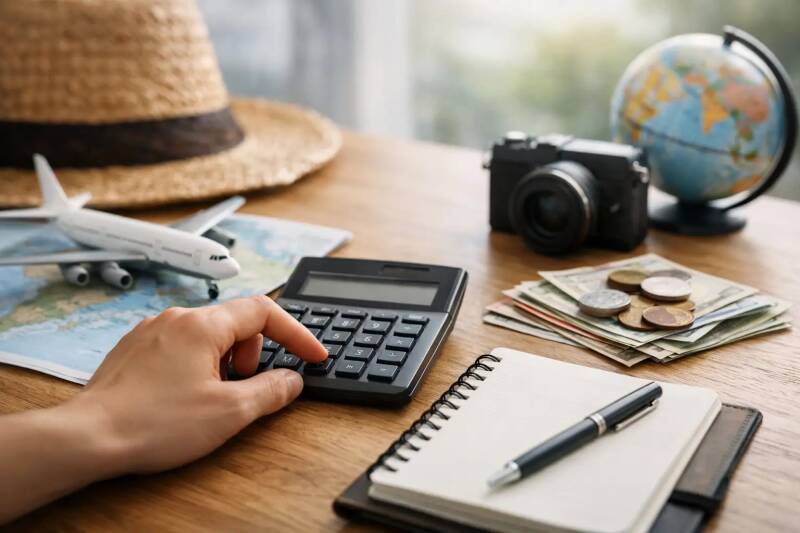
Use this travel budget calculator guide to plan smarter trips, avoid surprise costs, and spend where it matters most on the road. That moment when you find a cheap flight and feel like the trip is basically booked? That is exactly when a travel budget calculator guide becomes useful. Flights can be the flashy part of trip planning, but the real budget lives in the quieter details - airport transfers, museum tickets, SIM cards, coffee stops, and the dinner you absolutely did not plan but still do not regret.
I have learned this the hard way on both weekend city breaks and longer backpacking trips. The difference between a trip that feels freeing and one that feels financially tense usually comes down to one thing: seeing the full picture before you go. A good calculator does not kill spontaneity. It protects it.
What a travel budget calculator guide should actually help you do
A calculator is not just a spreadsheet with a vacation theme. At its best, it helps you make decisions early, adjust expectations, and spend with intention once you are on the road. That matters if you are trying to stretch savings, travel solo without stress, or choose between a longer trip with simple comforts and a shorter trip with more splurges.
The biggest mistake people make is treating travel budgeting like a single total. They ask, “How much will this trip cost?” when the better question is, “What kind of trip am I building?” A beach week with taxis, cocktails, and beachfront lodging is a different budget from a food-led city trip where you walk everywhere and stay in a guesthouse. Neither is wrong. But they need different numbers.
A useful budget calculator gives each category its own space so you can see what is flexible and what is fixed. Transportation to your destination is often fixed. Daily food costs are flexible. Activities sit somewhere in the middle. Once you understand that, the budget stops feeling abstract.
Start with the fixed costs first
When I build a trip budget, I always begin with the costs that are hardest to change once the trip is set. That usually means flights or long-distance transportation, accommodations, travel insurance, visa fees, and any prepaid tours or event tickets.
This is the backbone of your budget. If those numbers already push you close to your limit, you know early that something needs to shift. Maybe you shorten the trip by two nights. Maybe you swap a private room for a hostel with strong reviews. Maybe you travel in shoulder season instead of peak summer.
This part can feel unromantic, but it is where good trips are saved. If your fixed costs are realistic, everything else becomes much easier to manage.
The fixed costs most travelers forget
A lot of first-time planners remember flights and hotels but miss the edges around them. Baggage fees can quietly add a painful amount, especially on budget airlines. Airport transportation matters too, particularly if your cheap flight lands far from the city. Insurance often gets skipped until the last minute, then bought in a rush.
I would also include passport renewal costs, visa photos, pet boarding, house sitting, and any gear you genuinely need before departure. Not every trip requires these, but when they do apply, they are part of the trip cost.
Then build your daily spending number
This is the part most travel budget calculators either oversimplify or overcomplicate. You do not need a perfect prediction for every sandwich and subway ride. You need a daily estimate that is honest enough to guide your choices.
I like breaking the daily number into four parts: food, local transportation, activities, and small essentials. Food depends heavily on your travel style. If street food and grocery store breakfasts make you happy, your cost will look very different from someone who wants a sit-down dinner every night. Local transportation might be minimal in a walkable city and much higher in a spread-out destination.
Activities are where your priorities show up. Some travelers care most about museums, others about guided hikes, cooking classes, or live music. If experiences matter to you, budget for them clearly instead of hoping there will be money left over. That is how meaningful parts of a trip get squeezed out by avoidable overspending elsewhere.
Small essentials sound minor but add up quickly. Think water, sunscreen, laundry, tips, public restrooms, mobile data, and the occasional pharmacy stop. These are rarely exciting, but they are very real.
How to use a travel budget calculator guide without becoming rigid
A travel budget is not a set of handcuffs. It is more like a map with room for detours.
The healthiest way to use a calculator is to create three versions of your budget: minimum, realistic, and comfortable. Your minimum budget covers a trip you can afford with disciplined choices. Your realistic budget reflects how you actually travel. Your comfortable budget includes more breathing room and a few treats.
This approach works because travel is rarely identical to the plan. You may spend less on transportation than expected because you end up walking everywhere. You may spend more on food because the local market turns into one of the best parts of the trip. A range gives you flexibility without self-deception.
I also recommend adding a contingency line of around 10 to 15 percent. Not because something dramatic will definitely happen, but because ordinary travel has friction. Trains get missed. Weather changes plans. A cheap day turns into an expensive one. Buffer money protects your mood as much as your wallet.
A simple formula that works for most trips
If you are building your own calculator, keep it simple enough that you will actually use it.
Core formula
Total trip budget = fixed costs + daily spending x number of days + contingency fund
From there, you can make it more personal. Add a shopping category if you know you love bringing back books, ceramics, or food products. Add a coworking fee if you are working remotely. Add pet care or child care if that is part of what travel costs you.
The real value is not the math. It is the honesty.
The trade-offs that matter most
Good budgeting is rarely about cutting everything. It is about choosing what matters.
I have had trips where I saved aggressively on accommodations because I knew I would spend all day outside and cared more about food and neighborhood atmosphere than thread count. I have also paid more for a central stay because arriving in a new city alone at night was not the moment to test my adventurous side.
This is where a calculator becomes personal. If rest matters most, protect your lodging budget. If connection matters most, budget for walking tours, shared meals, and cultural experiences. If time is tight, spending more on direct transportation may be the smartest choice.
The cheapest option is not always the best value. A hostel outside the city might save money on paper and cost more in transit, time, and energy. A very cheap flight with harsh baggage fees and awkward arrival times can end up costing more than a slightly pricier ticket.
Common budgeting mistakes travelers make
The biggest one is borrowing optimism from your future self. You tell yourself you will cook every meal, skip souvenirs, and never take a taxi. Then you land tired, hungry, and carrying a backpack uphill on a hot afternoon.
The second is ignoring pace. Fast travel often costs more. More transit, more check-ins, more station snacks, more chances for things to go wrong. Slower travel can be kinder to both your budget and your experience of a place.
Another mistake is budgeting for survival instead of enjoyment. If your numbers leave no room for a meal you are excited about, a local class, or one unforgettable day trip, the budget may be technically possible but emotionally thin. Travel should still feel like living.
Make your calculator reflect the trip you want
A budget calculator is only useful if it matches reality. If you are planning a solo trip and know peace of mind matters, include what helps you feel safe and settled. If you travel for food, give meals a bigger share. If you pack light and move often, your transport and laundry patterns will look different from someone taking a two-week stay in one place.
This is very much the philosophy we return to at PackLight Journeys: spend with purpose, not just restraint. Budgeting is not about shrinking the trip until it fits your bank balance. It is about shaping the trip so your money supports the moments you will actually remember.
Before you book anything, run the numbers once. Then adjust them after your first round of research. Prices will sharpen, your priorities will become clearer, and the trip will stop feeling like a vague dream and start feeling possible. That is a good place to begin from - not just because it saves money, but because it lets you travel with more calm, more confidence, and more room to say yes to what matters.
Add comment
Comments