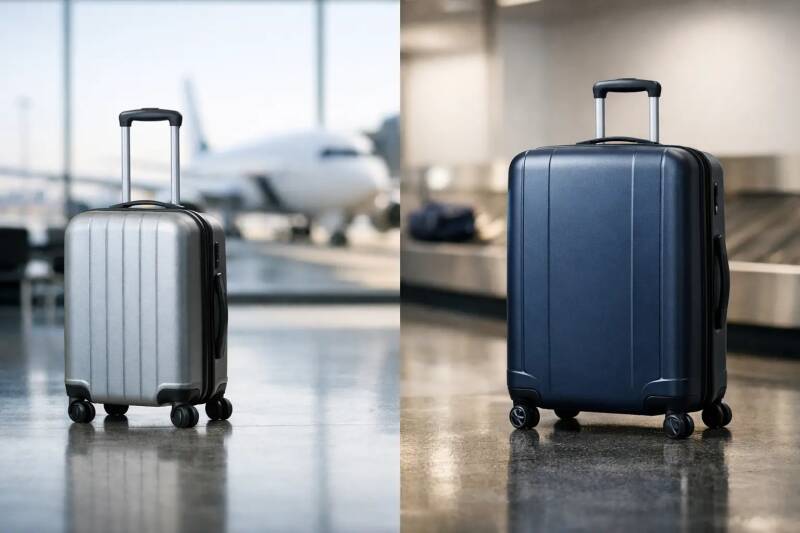
Carry on vs checked luggage comes down to cost, flexibility, and trip style. Here’s how to choose the right bag for smoother travel. You feel the difference before the trip even starts. One traveler glides past the check-in desk with a small suitcase and a coffee in hand. Another is repacking shoes on the airport floor, hoping the scale shows mercy. That is the real heart of carry on vs checked luggage - not just baggage rules, but how you want your travel day to feel.
I have done both, often on the same kind of trip, and the right choice rarely comes down to a simple "carry-on good, checked bag bad" argument. Sometimes traveling light gives you freedom. Sometimes checking a bag gives you breathing room. The smartest decision depends on your route, your budget, your tolerance for hassle, and what kind of traveler you are when plans go sideways.
Carry on vs checked luggage: the real difference
A carry-on gives you control. Your essentials stay with you, you skip baggage claim, and tight connections feel less risky. If you are landing late, catching a train, or moving between cities quickly, that speed matters more than people admit. I have stepped off flights with everything I own for a week on my back, and there is a quiet kind of joy in walking straight out of the airport while everyone else crowds around the carousel.
Checked luggage gives you capacity. You can pack full-size toiletries, extra layers, hiking boots, gifts, and the just-in-case items that make longer trips easier. That matters if you are traveling for more than a week, heading somewhere with mixed weather, or combining city breaks with outdoor plans. It also matters if you simply do not want every outfit decision dictated by a tiny suitcase.
The trade-off is simple. Carry-on luggage saves time and often money, but it asks you to be disciplined. Checked luggage gives you space and comfort, but it adds waiting, cost, and one more thing that can go missing.
When carry-on is the better choice
For short trips, carry-on almost always wins. If you are away for two to five days, especially in one climate, it is hard to justify the extra fees and friction of checked baggage. A well-packed carry-on covers more than most people think, especially if you wear your bulkiest items in transit and stop packing for imaginary emergencies.
It is also the better choice for budget travel. Many low-cost airlines treat checked luggage as a profit center, and the fee can be painfully out of proportion to the ticket itself. If you found a bargain flight to Lisbon, Krakow, or Mexico City, paying half that fare again to check a bag can erase the thrill quickly.
Carry-on is also ideal for trips with multiple stops. If you are hopping between hostels, trains, ferries, and budget flights, a smaller bag makes everything easier. You are less likely to resent the walk to your guesthouse when your luggage is manageable. You are more flexible when a bus is full, a taxi is overpriced, or your room is up four flights of stairs with no elevator.
There is an emotional side to this too. Traveling with less often makes you more present. You spend less energy managing stuff and more energy noticing where you are - the bakery near your station, the neighborhood market, the conversation with the hostel owner who tells you where locals actually eat.
The limits of carry-on
Minimal packing sounds romantic until you hit airline size rules, liquid restrictions, or a two-week trip with changing weather. Carry-on works best when you are willing to repeat clothes, do laundry, and make peace with not having every option.
It can also become stressful if you are flying on strict airlines with tiny cabin allowances. A bag that fits one carrier may get flagged by another. If your route includes several airlines, the risk of gate-checking your bag rises, and then the control you thought you had starts slipping.
When checked luggage makes more sense
Checked luggage earns its place on longer trips. Once you get beyond a week, especially if you need gear for different activities or climates, space becomes practical rather than indulgent. A trip that includes a wedding, a work event, and a few days hiking is not the moment to force everything into one tiny roller.
It also makes sense if you are carrying items that are awkward or restricted in cabin bags. Full-size sunscreen for a beach trip, specialty equipment, winter layers, or gifts for family can all push a carry-on setup past its limit.
For some travelers, checked luggage reduces anxiety rather than creating it. If packing light leaves you constantly worried you forgot something essential, paying for a checked bag may buy peace of mind. That is not a failure. It is just knowing yourself. Better to travel with a little extra room than spend your first day abroad hunting for basics you could have packed.
Checked bags can also be useful when you are staying put. If you are renting one apartment for two weeks or visiting family in one place, the mobility advantage of a carry-on matters less. You are not lugging your suitcase across cobbled streets every other day. In that case, comfort may matter more than speed.
The downsides of checked luggage
The obvious downside is cost. Some airlines include checked luggage, but many do not, and fees add up fast. There is also the time cost: arriving earlier, waiting at baggage claim, and dealing with delays if your suitcase misses the connection.
Then there is the simple fact that lost luggage is rare but never rare enough when it is yours. If you check a bag, keep medications, valuables, documents, one outfit, and anything you truly cannot replace in your personal item. I learned that lesson after an overnight delay turned a checked suitcase into a mystery for two days.
How to choose based on your trip
If you are stuck between the two, stop thinking about packing in abstract terms and look at the shape of your trip. A weekend city break with one hotel stay is a carry-on trip. A three-country itinerary with buses and cheap flights is also usually a carry-on trip, even if it is longer. A ski vacation, formal event, or month-long journey across changing temperatures may justify checked luggage.
Budget matters too. If checking a bag means cutting into the money you would rather spend on food, museums, or one memorable local experience, that fee has a real opportunity cost. I would usually rather wash a shirt in a sink than give up a great meal or train ride.
But convenience matters in both directions. If squeezing into one bag means paying for laundry, replacing forgotten items, or stressing through every boarding gate, your "cheap" choice may not feel cheap at all.
A practical rule for carry on vs checked luggage
If your trip is under a week, your route is simple, and you can rewear clothes, choose carry-on. If your trip is longer, includes special gear, or involves major weather changes, checked luggage is often worth it. And if you are right on the edge, ask yourself one useful question: would you rather carry less or decide less?
Carry-on travelers carry less but make tighter packing decisions. Checked-bag travelers decide less because they have more room. Neither is morally superior. One just fits your trip better.
What I recommend for most travelers
For most solo travelers, budget-conscious couples, and first-time international travelers, I recommend starting with carry-on whenever it is realistic. It teaches you how little you actually need, saves money, and makes you more agile from the first airport train to the final walk back to your accommodation.
That said, I would never pretend checked luggage is always the wrong call. If a larger bag helps you travel calmer, better dressed for the weather, and more prepared for the kind of trip you are taking, use it. Smart travel is not about proving you can survive with one backpack. It is about choosing what supports the experience you actually want.
At PackLight Journeys, that usually means packing with intention rather than pride. Bring what helps you move well, spend wisely, and stay open to the good parts of travel that cannot be folded into a packing cube. The best bag is the one that gets out of the way once the trip begins.
Add comment
Comments