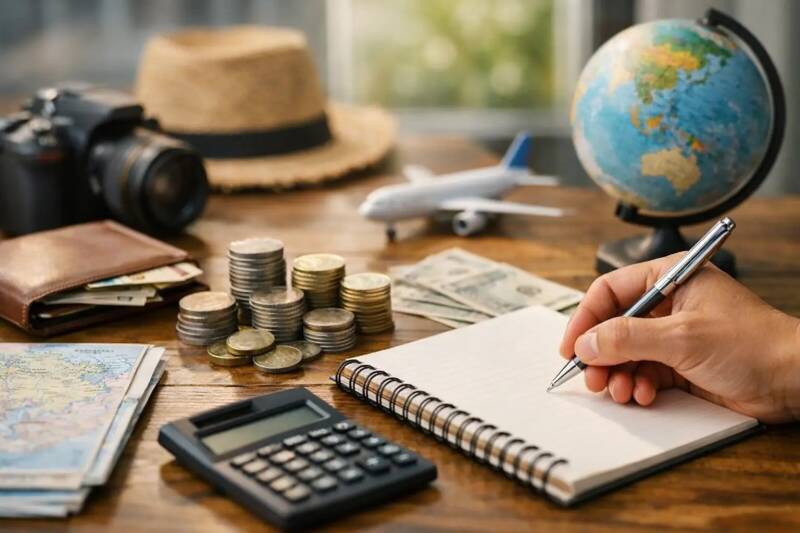
Learn how to build a realistic travel budget that covers real costs, avoids common mistakes, and helps you travel smarter with less stress. A trip can look affordable right up until the moment you start adding the boring parts. The airport bus. The second coffee because your flight is delayed. The museum you did not plan for but absolutely want to see. That is why learning to build a realistic travel budget matters so much. A good budget does not kill spontaneity. It protects it.
I have seen travelers do this two ways. Some set one dreamy number, hope for the best, and spend half the trip checking their banking app with a knot in their stomach. Others plan so tightly that every meal and train ride feels like a math exercise. The sweet spot sits in the middle. You want a budget that reflects how you actually travel, not how an imaginary, hyper-disciplined version of you travels.
What a realistic travel budget actually looks like
A realistic budget is not just a total. It is a working picture of your trip. It accounts for fixed costs, day-to-day spending, and the small surprises that always show up. It also reflects your priorities.
If you care most about street food, local buses, and guesthouses, your numbers will look different from someone who loves boutique hotels and guided tours. Neither is wrong. The mistake is copying a budget from someone else without noticing their habits, comfort level, or destination style.
The most useful travel budgets are built around categories, not wishful thinking. Start with the costs you can estimate before you leave, then move into the expenses that will vary once you are on the road. When you break things down this way, the total stops feeling vague and starts feeling manageable.
How to build a realistic travel budget step by step
Start with your trip shape, not your dream number
Before you open a spreadsheet or notes app, define the basics. Where are you going, for how long, and in what season? A week in Lisbon in February is not priced like a week in Lisbon in July. A fast-moving itinerary with trains, ferries, and domestic flights will cost more than staying in one place.
This is the first place people underestimate. They pick a destination because it is known as cheap, then travel there during peak season, hop between cities, eat in tourist zones, and wonder why the budget fell apart by day three.
Write down the framework first: destination, trip length, travel month, number of cities, and your general style. Budget traveler, mid-range but careful, or comfort-first with a few splurges. Be honest here. If you know you sleep badly in the cheapest dorm and end up booking a private room anyway, budget for the private room.
Price the non-negotiables first
Your biggest fixed costs usually come before the trip even starts. Flights, long-distance trains, travel insurance, accommodations, visas if needed, and any major bookings such as a trek permit or a multi-day tour belong here.
This is your base cost. It gives you the minimum amount the trip will require before you buy a single snack.
I like to separate paid and unpaid reservations at this stage. If you have booked a hotel but only paid a deposit, note the remaining balance. It is easy to forget future payments and think you have more spending money than you actually do.
Build your daily budget from real categories
This is where a realistic travel budget becomes useful. Instead of writing one rough daily number, break daily spending into the categories that shape your actual days: food, local transportation, activities, and small personal extras.
Food is the category people misread most often. They imagine their best, most disciplined self living on bakery breakfasts and grocery store dinners, then land somewhere wonderful and start ordering local specialties twice a day. A better approach is to budget by travel style. Maybe breakfast is simple, lunch is casual, and dinner is your experience meal. That still keeps costs grounded while leaving room for pleasure.
Local transportation matters too. Even walkable cities have airport transfers, the occasional late-night taxi, or buses when your feet give up. Activities are another trap. Many travelers budget only for the major attraction, not the smaller things that make a trip memorable: a cooking class, a boat ride, a live music cover charge, or renting a bike for the afternoon.
Then add a modest line for personal extras. Laundry, sunscreen, phone data, over-the-counter medicine, and that replacement adapter you swore you packed all belong somewhere.
Add a buffer that is big enough to help
A budget without a buffer is just a plan for feeling stressed. Add 10 to 20 percent on top of your estimated trip total, depending on how fixed or flexible your itinerary is.
If most of your trip is prepaid and you are going somewhere familiar, 10 percent may be enough. If you are moving around a lot, traveling in expensive regions, or going on a first big solo trip, lean closer to 20 percent. This is not failure money. It is realism money.
The buffer protects you from currency shifts, transport changes, weather-related detours, and the occasional moment when convenience is worth paying for. Sometimes the smartest budget decision is spending a little more to save time, energy, or hassle.
The costs travelers forget when they build a realistic travel budget
The sneaky expenses are rarely glamorous, but they are often what push a trip over budget. Baggage fees are a classic one, especially if a budget airline base fare looks cheap until you add a carry-on. Airport transportation gets missed all the time, as do ATM fees and foreign transaction charges.
Then there are the emotional spending moments. Arriving exhausted and paying extra for the nearest meal. Booking a nicer room halfway through because you need one good night of sleep. Joining a last-minute tour because you meet great people at your hostel and want to say yes. These are not budgeting failures. They are part of travel. Your plan should leave room for being human.
Souvenirs deserve a mention too. Even if you are a light packer, many travelers want to bring home spices, small ceramics, books, or gifts. If that matters to you, add a category for it. Ignoring it does not make it free.
Match your budget to the trip you actually want
The most meaningful trips are not always the cheapest, and the cheapest trips are not always the most meaningful. Sometimes spending a little more creates the exact kind of travel experience you hoped for.
Maybe that means booking a guesthouse run by a local family instead of the rock-bottom option on the edge of town. Maybe it means paying for one excellent food tour at the start of a trip so you understand a city better for the rest of the week. Maybe it means choosing the train over the overnight bus because arriving rested gives you a whole extra day of energy.
This is where budgeting becomes less about restriction and more about alignment. Spend with intention. Cut what does not matter to you so you can protect what does.
A simple way to test if your numbers are realistic
Once you have your estimate, stress-test it. Ask yourself a few honest questions. Have you included travel days, which are often more expensive? Have you assumed every meal will be cheap? Have you left any room for weather, fatigue, or spontaneity? If your budget only works under perfect conditions, it is probably too low.
I also recommend building two totals: your comfortable budget and your absolute floor. Your comfortable budget is what allows you to travel well and stay relaxed. Your floor is the minimum you could spend if needed. Knowing both gives you flexibility without panic.
Tools and habits that keep you on track during the trip
You do not need a complicated system. A notes app, simple spreadsheet, or budgeting app is enough if you use it consistently. The trick is tracking as you go, not trying to reconstruct three days of spending from memory while half asleep.
Check in once a day. It takes five minutes and saves you from unpleasant surprises. If you overspend one day, you can adjust gently the next. That is much easier than discovering near the end of the trip that your food budget disappeared on taxis and museum tickets.
It also helps to separate spending money from bills at home. If possible, travel with one clear trip fund. When the money is visually ring-fenced, you make better decisions because the budget feels real.
A travel budget should make you feel steadier, not smaller. It should help you order the dish you are curious about, say yes to the market detour, and still sleep well at night because the numbers make sense. At PackLight Journeys, that has always felt like the point of planning well: not to control every moment, but to create room for the moments that end up mattering most.
Add comment
Comments