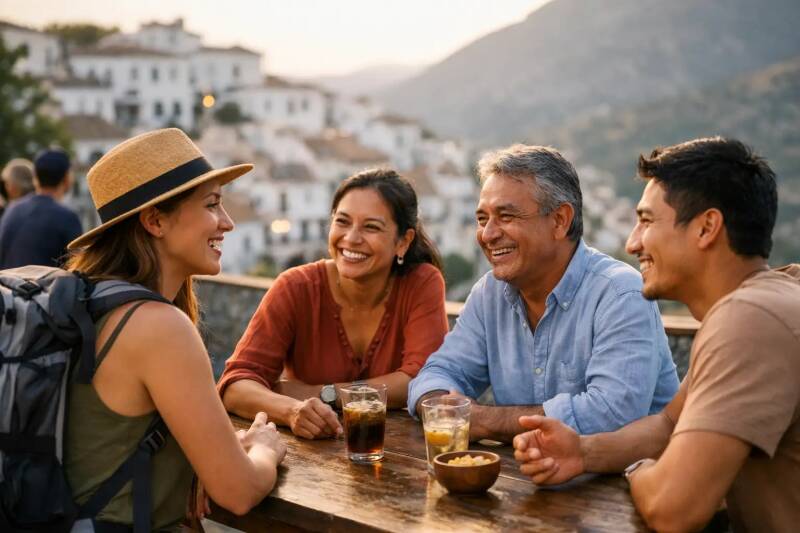
The best ways to meet locals while traveling, from shared meals to community events, with practical tips for making respectful, real connections abroad. The moment I stopped treating a destination like a checklist, travel changed. A rainy afternoon in a neighborhood café, a stranger’s recommendation for the best cheap lunch, a conversation that lasted longer than planned - these are the memories that stay. The best ways to meet locals are rarely about forcing friendships. They are about showing up with curiosity, choosing places where life is already happening, and giving people a reason to talk to you beyond “Where are you from?”
Meaningful local connection can make a solo trip feel less lonely, help you spend your money in the right places, and reveal a side of a city no map can fully capture. It also takes a little patience. You may have ten brief chats before one turns into a shared meal, a walking route, or an invitation you remember for years.
1. Stay Somewhere Conversation Can Happen
Your accommodation shapes your social life more than most travelers realize. A small guesthouse, family-run homestay, hostel with a communal kitchen, or locally owned bed-and-breakfast creates natural moments to talk. Ask the host where they eat on an ordinary Tuesday, which market they actually use, or what visitors usually misunderstand about the area.
Hostels are especially useful for meeting other travelers, but they are not automatically the best place to meet locals. If local connection is your priority, choose a hostel that runs neighborhood walks, language exchanges, or community events rather than one built entirely around pub crawls. A quieter guesthouse can be a better fit if you want real recommendations and slower conversations.
2. Eat Where People Are Eating, Not Just Where Reviews Point
Food is one of the easiest ways into a place because it gives everyone something immediate to discuss. Step away from the restaurant strip near major attractions and look for busy lunch counters, bakeries, food halls, and neighborhood markets. You do not need to turn every meal into an interview. Start small: ask what the person behind you is ordering or whether a dish is usually spicy.
A cooking class held in someone’s home, a food tour led by a local resident, or a market tasting can create more structured conversation if you feel shy. These experiences cost more than finding lunch alone, so use them selectively. One well-chosen activity can offer better value than several expensive tourist meals, especially when it teaches you what and where to eat for the rest of your trip.
3. Join an Activity With a Shared Purpose
The easiest conversations happen when attention is not entirely on conversation. Take a pottery workshop, join a group hike, attend a dance class, try a pickup soccer game, or book a small photography walk. You arrive as someone interested in the activity, not as a visitor asking locals to entertain you.
Look for events that welcome beginners. Community centers, independent bookstores, climbing gyms, art studios, and public parks often have low-cost sessions that feel more relaxed than formal tours. Check the practical details before you go, particularly language, booking requirements, gear, and whether the event is genuinely open to visitors.
4. Learn Enough of the Local Language to Be Warm
You do not need fluency to make a connection, but a few words signal respect. Learn greetings, “please,” “thank you,” “excuse me,” and a simple phrase explaining that you are still learning. Then use them, even if your pronunciation is imperfect.
The goal is not to impress anyone. It is to show that you are meeting the place halfway. A local may switch to English quickly, especially in international cities, and that is fine. Keep practicing the small phrases without insisting that someone become your unpaid language teacher.
Ask Better Questions
Avoid treating people as a shortcut to hidden gems. Questions like “Where do locals go?” can sound harmless, but they put someone on the spot and flatten a whole community into a travel tip. Try questions that invite a personal answer instead: “What do you enjoy doing here on weekends?” or “Is there a food you always miss when you travel?”
These questions are more generous, and they usually lead somewhere more interesting. You might hear about a favorite park, a family tradition, a local band, or a neighborhood undergoing change. Listen closely rather than rushing to turn every answer into an itinerary item.
5. Become a Brief Regular
If you have more than two days in one place, return to the same café, market stall, gym, or park bench. Familiarity lowers the pressure on both sides. By the second visit, the barista may recognize you. By the third, you have a natural opening to ask how their day is going.
This approach works particularly well for budget travelers. Instead of paying for a new attraction every day, build a simple ritual around a place you genuinely enjoy. Order a coffee, read for an hour, and notice the rhythm of the neighborhood. Connection often grows from being present, not from packing your schedule.
6. Use Social Apps Carefully and Specifically
Apps and online groups can be useful for finding language exchanges, running clubs, board-game nights, or group dinners. The best results come from joining an event built around a clear interest, not from arranging a one-on-one meeting with a total stranger because their profile says they are local.
Choose public venues, tell someone where you are going, and leave if the situation feels off. For solo travelers, this is not paranoia; it is good travel judgment. Also be honest about your intentions. If you want company for a museum or a meal, say so. Clear expectations make meeting people safer and less awkward.
7. Volunteer With Care
A short volunteer experience can introduce you to people who care deeply about their community. Beach cleanups, urban gardening days, animal shelter support, and cultural festival teams may welcome short-term help. You will contribute alongside residents rather than simply consuming an experience.
But volunteer work is not automatically ethical because it feels meaningful. Avoid programs that charge large fees for vague work, displace paid local jobs, or turn vulnerable people into photo opportunities. Ask who benefits, what skills are needed, and whether your presence is actually useful. Sometimes the most responsible choice is supporting a local organization through respectful spending rather than taking up a volunteer spot.
8. Say Yes to Small Invitations, With Boundaries
An invitation to join a family table, see a neighborhood concert, or take a walk after dinner can be the highlight of a trip. If it feels comfortable, say yes. Bring a small host gift where appropriate, offer to pay your share, and follow local customs around shoes, meals, or punctuality.
Trust your instincts, though. You never owe anyone your time, your personal information, or a change in plans because they have been friendly. Meet new people in public first when possible, stay aware of alcohol intake, and have a route back to your accommodation. Genuine openness and sensible caution belong together.
9. Spend Money in Locally Rooted Places
Where you spend has a quiet effect on whom you meet. Independent shops, neighborhood cafés, small museums, barbershops, markets, and family-run restaurants keep more of your travel budget close to the community. They also offer more chances for human exchange than an international chain designed to be the same everywhere.
This does not mean every local business is automatically better or every chain is wrong. Sometimes you need familiar Wi-Fi, a clean restroom, or a predictable meal after a long travel day. The point is to make intentional choices when you can. A few dollars spent at the same market stall over several mornings may lead to a warm conversation and a much better understanding of local life.
10. Let the Connection Be What It Is
Not every good encounter needs to become a friendship or an Instagram story. Sometimes meeting a local means a five-minute conversation with a bus driver, a laugh with a vendor, or directions from someone who notices you are lost. Those moments count.
Travel can tempt us to collect experiences, but people are not souvenirs. The most rewarding connections often happen when you stop chasing an “authentic” moment and start paying attention to the real one in front of you. Arrive curious, be considerate with your time and money, and leave room in the day for an unplanned conversation. That is where a destination begins to feel less like a place you visited and more like a place that briefly welcomed you in.
Add comment
Comments